Introduction
Drivers often have the same concerns when it comes to car care — from understanding warning lights to knowing how often they should schedule maintenance. Clear, straightforward answers help car owners feel more confident and prevent costly breakdowns.
Below are some of the most frequently asked questions drivers search for online, along with practical answers from an auto repair expert’s perspective.
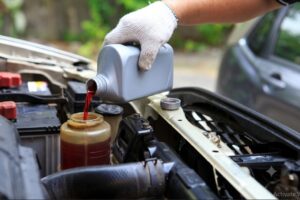
1. How Often Should I Change My Oil?
Most vehicles need an oil change every 3,000–5,000 miles for conventional oil and 7,500–10,000 miles for synthetic.
However, check your owner’s manual for recommendations.
Why it matters:
Clean oil prevents engine wear, overheating, and costly damage.
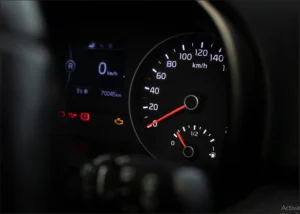
2. What Does the “Check Engine” Light Mean?
The Check Engine light alerts you to a problem in your vehicle’s diagnostic system.
Common causes include:
- Loose gas cap
- Emission issues
- Failing sensors
- Misfires
- Engine or catalytic converter problems
Why you shouldn’t ignore it:
A simple issue can escalate quickly — always get it scanned by a professional.
3. Why Are My Brakes Squeaking?
Squeaking brakes often mean:
- Worn brake pads
- Glazed rotors
- Dust or debris buildup
- Lack of lubrication on brake hardware
When to get service:
If the noise gets louder or you feel vibration, get your brakes inspected immediately.
4. When Should I Replace My Tires?
Replace tires when:
- Tread depth is less than 2/32 of an inch
- You notice cracks or bulges
- The car vibrates unusually
- The tires are older than 6 years, regardless of tread
Why it matters:
Good tires improve traction, fuel efficiency, and safety.
5. Why Is My Car Overheating?
Common reasons include:
- Low coolant
- Radiator problems
- Thermostat failure
- Water pump issues
What to do:
Pull over immediately to avoid severe engine damage — then call a professional.
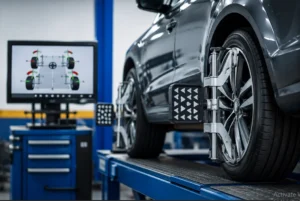
6. What Causes My Car to Shake or Vibrate?
Vibrations usually signal:
- Unbalanced tires
- Alignment issues
- Worn brakes
- Bad engine mounts
Tip:
Ignoring vibrations can lead to uneven tire wear or loss of control.
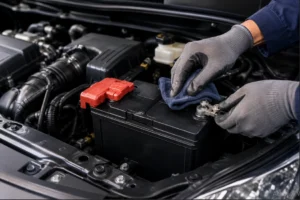
7. How Often Should I Check My Car Fluids?
Check or top off:
- Oil — monthly
- Coolant — every 3–6 months
- Brake fluid — yearly
- Transmission fluid — every 30,000–60,000 miles
- Power steering fluid — as needed
- Windshield washer fluid — often
Why it matters:
Proper fluid levels prevent overheating, brake failure, and mechanical wear.
8. Do I Really Need a Professional Inspection?
Yes. Even if your car feels fine, a certified technician can catch problems early — before they become expensive or dangerous.
Recommended:
Get a full inspection every 6 months or before long road trips.
9. Why Is My Air Conditioning Not Blowing Cold Air?
Possible causes:
- Low refrigerant
- A/C leaks
- Compressor failure
- Clogged cabin air filter
Solution:
A professional diagnostic test will pinpoint the issue quickly.
10. How Can I Make My Car Last Longer?
Follow these tips:
- Get regular oil changes
- Maintain proper tire pressure
- Replace filters on time
- Keep up with brake service
- Wash and wax regularly to prevent rust
- Address warning lights immediately
Bottom line:
Preventive maintenance is the key to long vehicle life.