Introduction
Maintenance records are more than just paperwork — they’re proof of how well your vehicle has been cared for. Whether you plan to sell, trade in, or simply keep your car running smoothly for years, proper documentation is one of the most valuable tools you can have.
This article explains why maintenance records matter, how they affect your car’s resale value, and how staying organized can save you money in the long run.
What Are Maintenance Records?
Maintenance records include documentation of all services performed on your vehicle, such as:
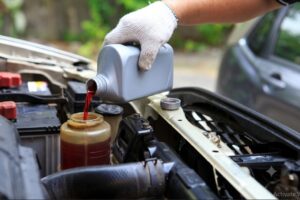
- Oil changes
- Brake repairs
- Transmission service
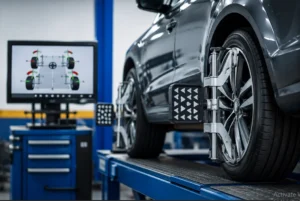
- Tire rotations and replacements
- Inspections and diagnostics
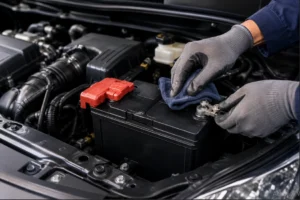
- Part replacements
- A/C or heating system repairs
- Warranty repairs
These records prove that your vehicle has received regular, professional care.
1. Maintenance Records Increase Your Car’s Resale Value
A well-documented maintenance history shows potential buyers that the car has been properly cared for.
Buyers are willing to pay more for a car with:
- Complete service logs
- Receipts from auto shops
- Mileage and repair timelines
Why it matters: A maintained car is less likely to have hidden issues — making it more desirable and trustworthy.
2. Helps You Get a Higher Trade-In Offer
Dealerships value vehicles with a clear maintenance history because they’re easier to resell.
Dealers look for:
- Consistent oil changes
- Proof of major services (brakes, transmission, belts)
- Records from reputable shops
The result: You’re more likely to receive a higher trade-in offer when you show organized service documentation.
3. Protects Your Warranty Coverage
Most vehicle warranties require proof of regular maintenance.
Without documentation, you may risk losing:
- Manufacturer warranty coverage
- Extended warranty benefits
- Repair reimbursements
Missing records can mean paying out-of-pocket for repairs that should be covered.
4. Helps Diagnose Vehicle Problems Faster
Having a full service history helps mechanics understand:
- What work has already been done
- Which parts have been replaced
- Patterns of recurring issues
This saves time and reduces unnecessary repair costs.
5. Prevents Unnecessary or Duplicate Services
Without records, you may accidentally:
- Replace parts too early
- Repeat services
- Miss important maintenance intervals
Documenting repairs helps you stay on schedule — and avoid paying for the same job twice.
6. Shows Proof of Responsible Ownership
If you ever sell your vehicle privately, buyers appreciate transparency.
A complete record shows you:
- Took care of the car
- Used quality parts and trusted shops
- Did not neglect major repairs
It builds confidence and reduces negotiation friction.
7. Extends the Life of Your Car
Staying on top of maintenance helps you avoid:
- Engine wear
- Brake failures
- Transmission issues
- Overheating
- Tire problems
Cars with documented service histories generally last longer and require fewer emergency repairs.
8. Helps You Track Costs and Plan Ahead
Keeping records makes it easier to:
- Track repair patterns
- Plan future maintenance
- Budget for upcoming services
- Identify shops you trust
This creates a long-term strategy for keeping your car reliable.
How to Maintain Your Documentation
You can keep records by:
- Saving all receipts and invoices
- Using a digital folder for scanned copies
- Keeping a maintenance logbook in the glove compartment
- Asking your repair shop to update your service history digitally
Organized records make life easier — for you, your mechanic, and any future buyer.
Finally
Maintenance records are a simple yet powerful way to protect your investment. They help you command a higher resale price, maintain warranty coverage, avoid unnecessary repairs, and keep your vehicle reliable for years.
By documenting every service — big or small — you’re not just keeping papers; you’re building a complete history that adds value, credibility, and peace of mind.